Race season
A runner's year in Chicago
Chicago's running year, season by season: spring races, summer heat, marathon season in the fall and winter base-building, plus how to plan your goal race.
Chicago has races almost every weekend from spring through fall. Knowing how the year usually flows helps you pick a goal race, build training around it, and avoid trying to peak for three things at once. Race dates change from year to year, so always check each race's official site before you plan around it.
Spring: shaking off winter
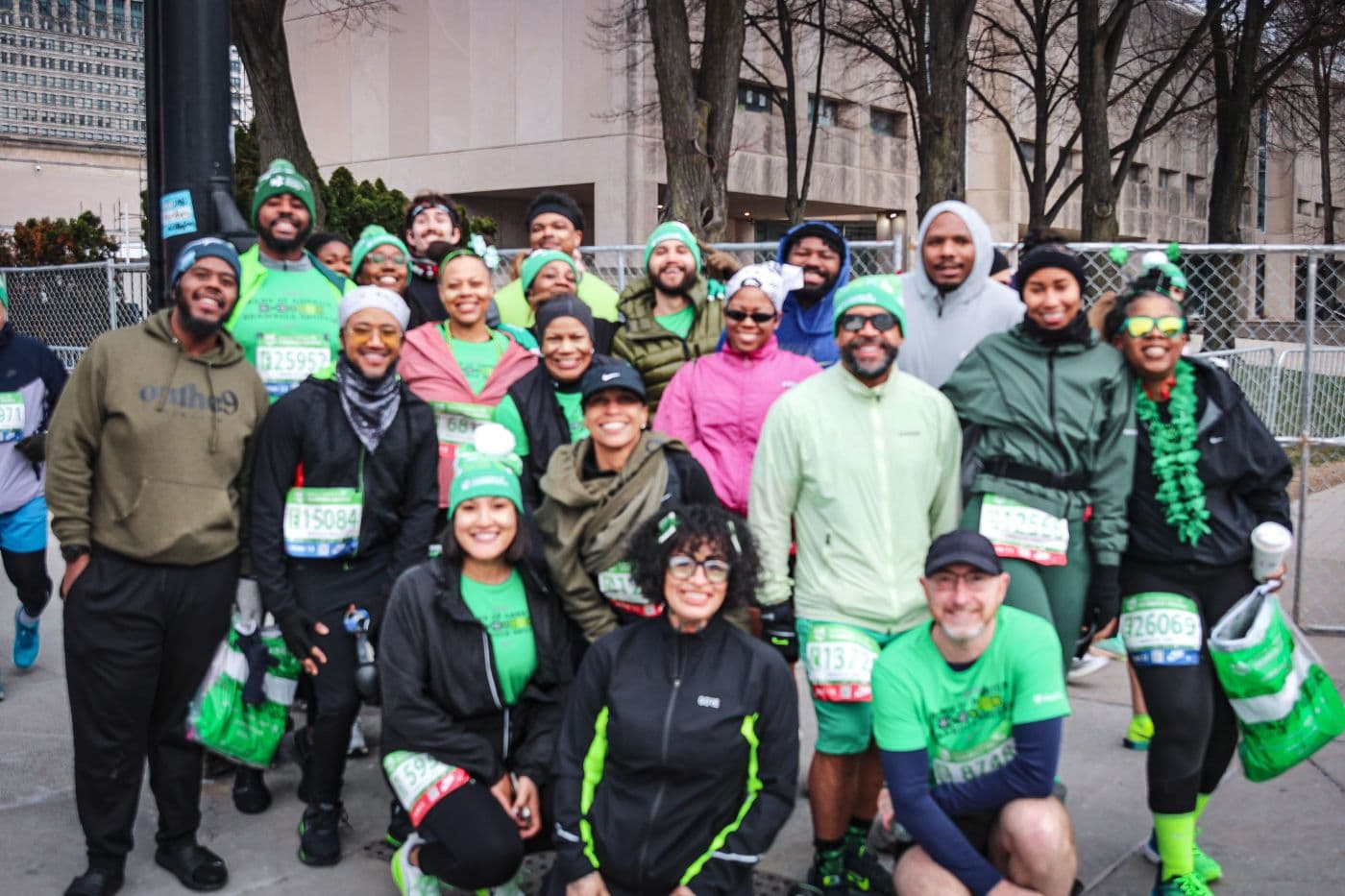
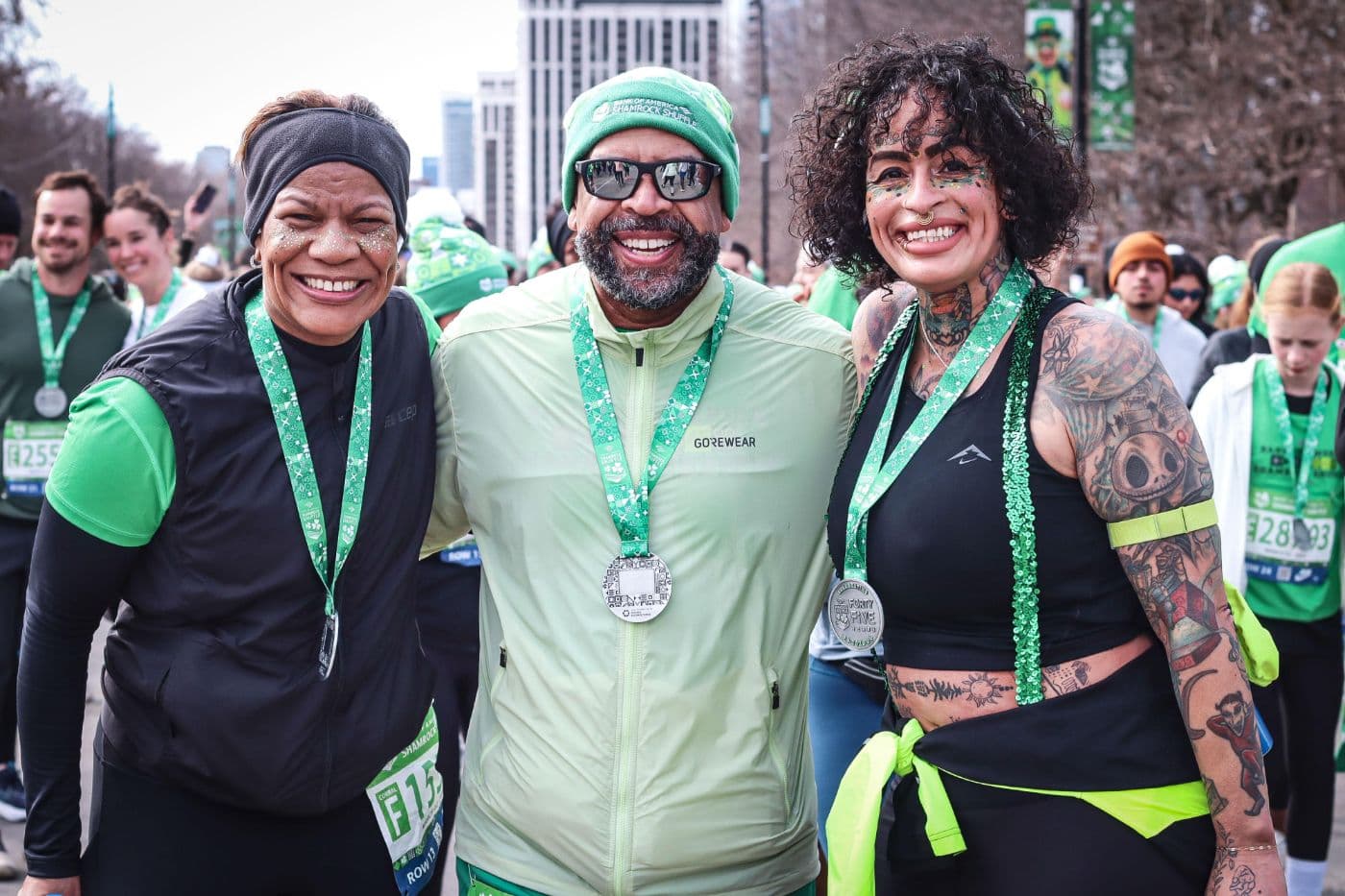
Spring racing in Chicago starts while it's still cold. The Shamrock Shuffle, an 8K that starts and finishes in Grant Park, is one of the city's traditional season openers, usually in late March or early April. Plenty of runners use it as a check-in on their winter training.
Spring is also a good time to run your first 5K or 10K. Neighborhood races pop up across the city once the weather turns, and they're cheaper and less stressful than the big downtown events.
Summer: heat and early starts
Summer races in Chicago start early for a reason. By late morning, heat and humidity can make even an easy pace feel hard. The Chicago 13.1, a half marathon in June, is a big one, and our crew lines up for it together. Summer is also when marathon training ramps up, with long runs starting at sunrise to beat the heat.
If you're racing in summer:
- Train in the morning so your body gets used to race-time conditions.
- Practice drinking on the run during long runs.
- Adjust your goal pace on hot days. Running slower in the heat is smart, not soft.
Fall: marathon season
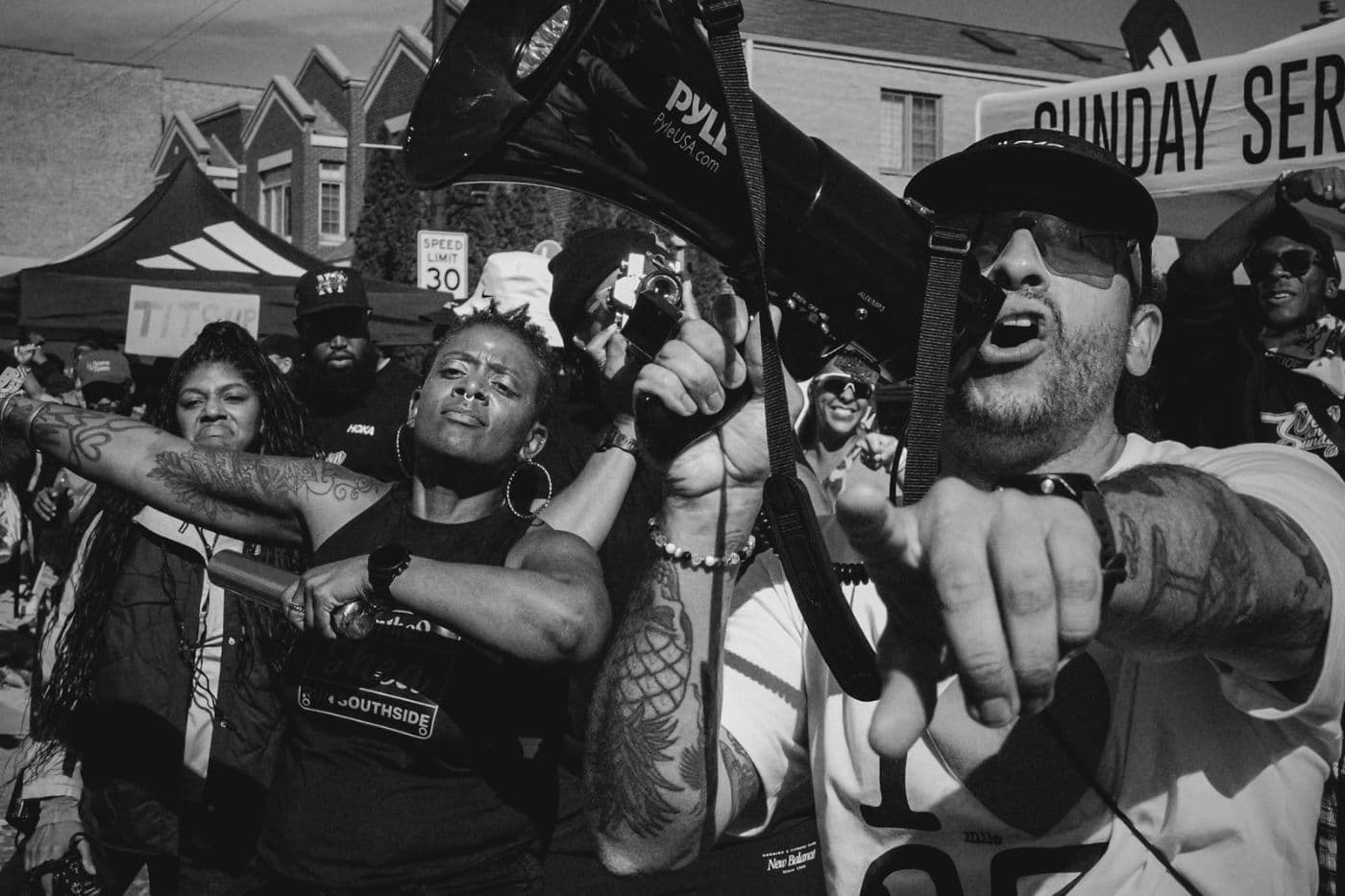
October belongs to the Chicago Marathon, which starts and finishes in Grant Park and runs through neighborhoods across the city. Even if you're not running it, it's worth watching. OnThe9 runs an official community cheer zone at Mile 23 in Bronzeville. See our marathon spectator guide.
Fall is also full of half marathons, 10Ks and charity races, plus Thanksgiving-morning turkey trots for people who want one more run before the holidays.
Winter: building the base
Winter is when you get faster for next year. There are fewer races, so it's a good time to run easy miles, add strength work and keep a consistent routine. Group runs help a lot here. Our winter running guide covers dressing for cold, wind and ice.
How to plan your year
- Pick one goal race. Everything else on the calendar is a tune-up or a fun run.
- Count backward. Most first half marathons need 10 to 16 weeks of training. Marathons usually need 16 to 20.
- Sign up early. Big races can sell out. The Chicago Marathon uses a drawing for most entries, plus charity and qualifying entries.
- Add a tune-up race four to six weeks before your goal race to practice race-morning routines.
- Leave room to recover. Don't stack a hard race the week after your goal race.
Races we run together
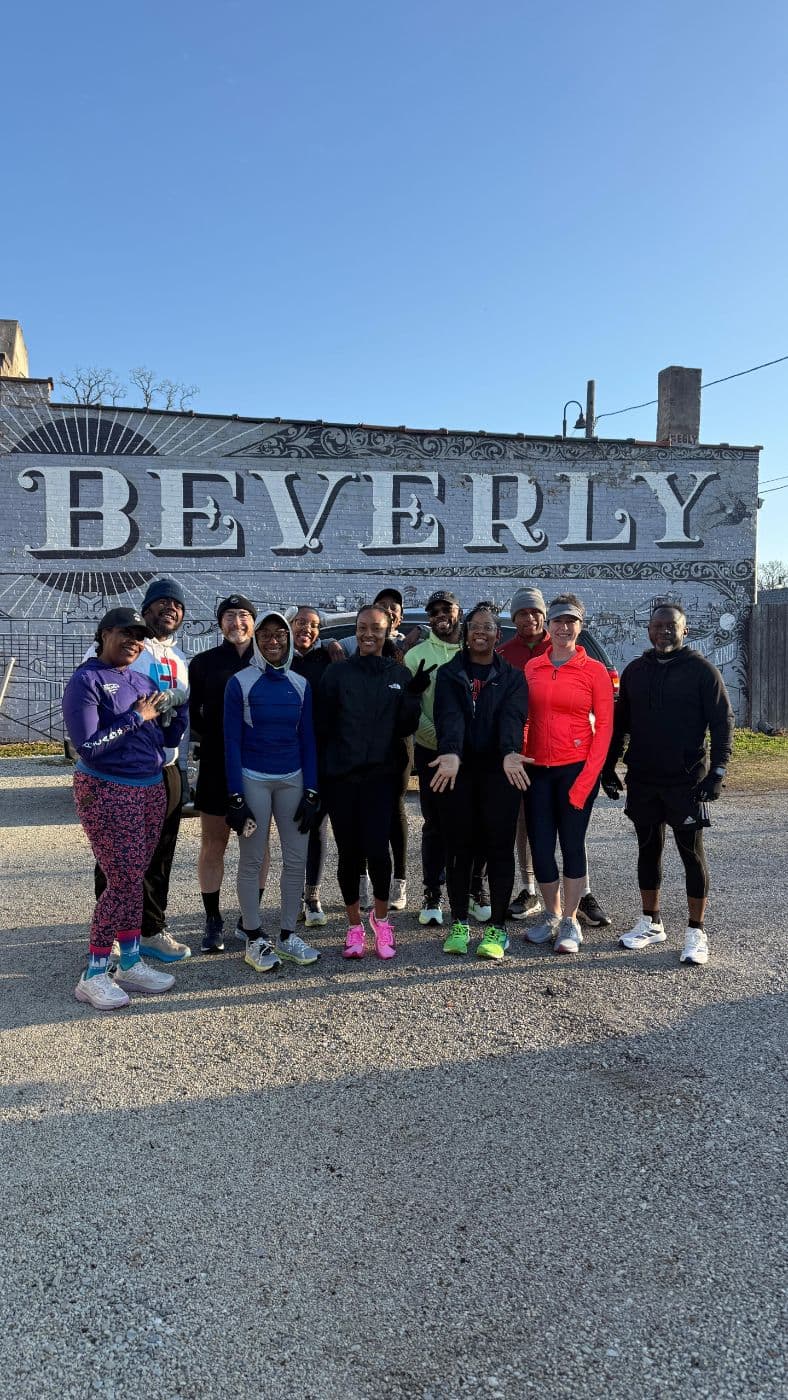
OnThe9 lines up together at races across the city, including the Chicago 13.1, the Shamrock Shuffle and the Lakefront 10 Miler. Ask around on a Saturday which races the crew is targeting this year, or check our Strava club. New to racing? Start with our first half marathon guide.
Common questions
What are the biggest races in Chicago?
The Chicago Marathon in October is the biggest. Other well-known races include the Shamrock Shuffle 8K in the spring and the Chicago 13.1 half marathon in June, plus dozens of neighborhood 5Ks and holiday races.
How do I get into the Chicago Marathon?
Most runners enter through the race's non-guaranteed entry drawing. Others get in through a charity team, a qualifying time or other guaranteed-entry rules. Check the official race site for the current year's rules and deadlines.
When should I sign up for a race?
As early as you can for the big races, which can sell out or use a lottery. Pick your goal race first and build your training backward from race day.