Half marathon training
Training for your first half marathon in Chicago
How to train for your first half marathon in Chicago: how many weeks, building the long run, easy pace, summer heat, lakefront wind and race-day tips.
A half marathon is 13.1 miles. That's long enough to take real training and short enough that you can get there without giving up your whole life. Chicago is a great place to run your first one: the city is flat, the lakefront is made for long runs, and there are half marathons from spring through fall.
This guide covers the shape of a first half marathon plan. It's not medical advice. If you have health concerns, talk to a doctor before you start.
Where to start
Most beginner plans assume you can run about 3 miles without stopping, a few times a week. If you're not there yet, spend a month building to that first. Run-walk counts.
Give yourself 10 to 16 weeks from your first training run to race day. Twelve weeks is a common middle ground.
The shape of a training week
A simple first-half week looks like this:
- Two or three easy runs of 3 to 5 miles.
- One long run, usually on the weekend.
- One or two rest or cross-training days, like walking, cycling or strength work.
That's it. You don't need speed workouts to finish your first half. If you want one, add a short session of faster running once a week after the first few weeks.
Build the long run slowly
The long run is the most important run of the week. Add about a mile every week or two, and take an easier week every third or fourth week to recover. Many first-time plans top out at 10 to 12 miles about two weeks before race day. Race-day adrenaline and the crowd will carry you the rest of the way.
Saturday group runs are made for long runs. Running with people makes the miles go faster, and someone always knows where the next water fountain is.
Run easy most of the time
Most of your miles should be at a conversational pace, where you can talk in full sentences. New runners almost always run their easy days too fast. Slowing down lets you run more miles without getting hurt or burning out.
Chicago-specific tips
- Summer heat. If your race is in June, like the Chicago 13.1, a lot of your training happens in summer. Run early, carry water, and slow down on hot days.
- Lakefront wind. The Lakefront Trail is perfect for long runs, but run into the wind first so it's at your back on the way home.
- Fountains are seasonal. Park fountains usually shut off in the cold months. Carry water on long runs in spring and fall.
- Winter base. For a spring race, a lot of your base comes in winter. Our winter running guide helps.
Fuel and water
For runs longer than about an hour, practice taking water and some kind of carbohydrate, like gels, chews or a sports drink. Use training to find what your stomach handles. Never try a new fuel on race day.
Taper and race week
Cut your mileage back over the last week or two so your legs are fresh. During race week:
- Run a few short, easy runs.
- Lay out your gear the night before, including your bib.
- Eat a familiar dinner and a familiar breakfast.
- Get to the start early. Port-a-potty lines are long.
Race day
Start slower than you want to. The first few miles will feel easy, and going out too fast is the most common first-race mistake. Settle in, take water at the aid stations, and save something for the last 5K.
Train with a crew
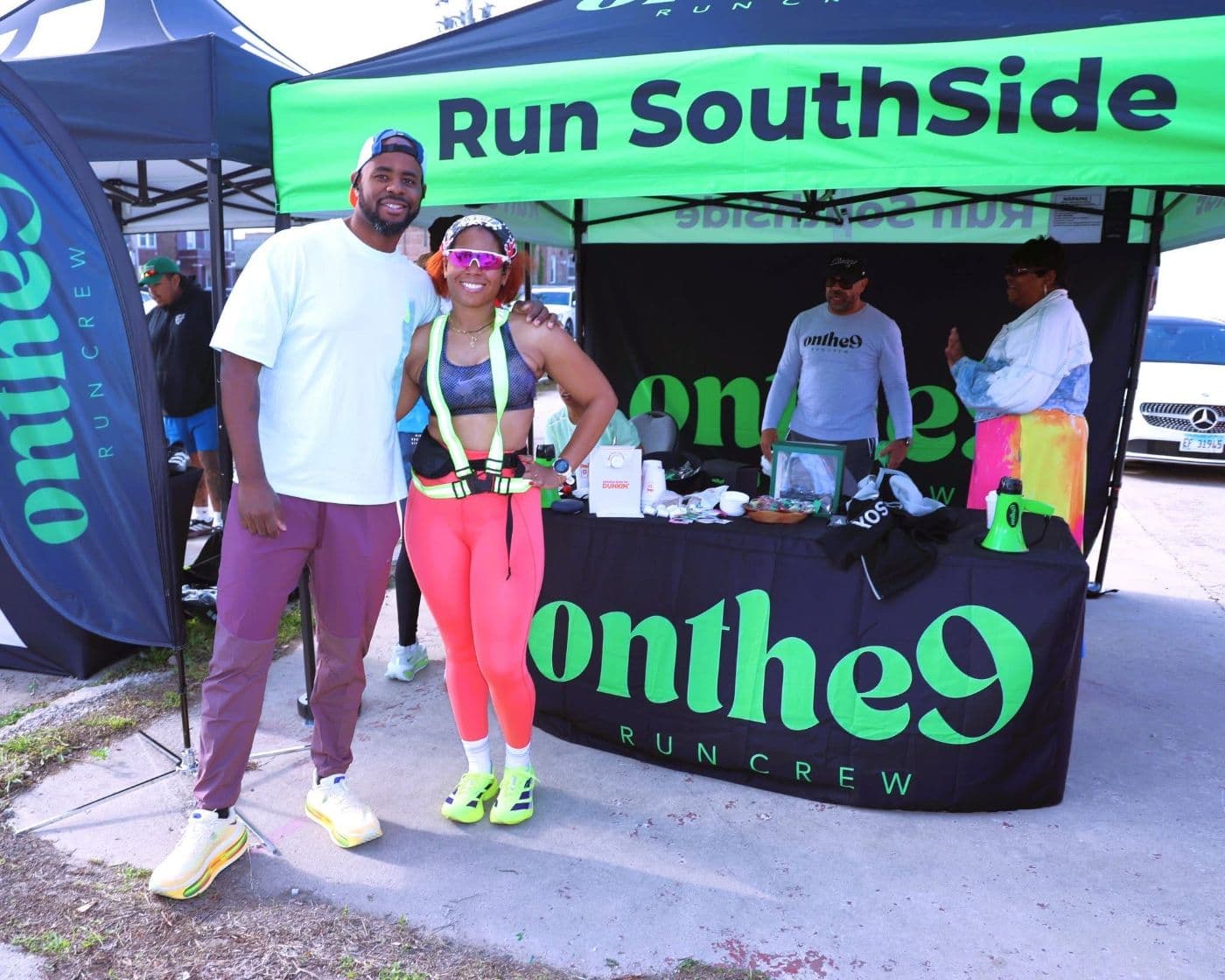
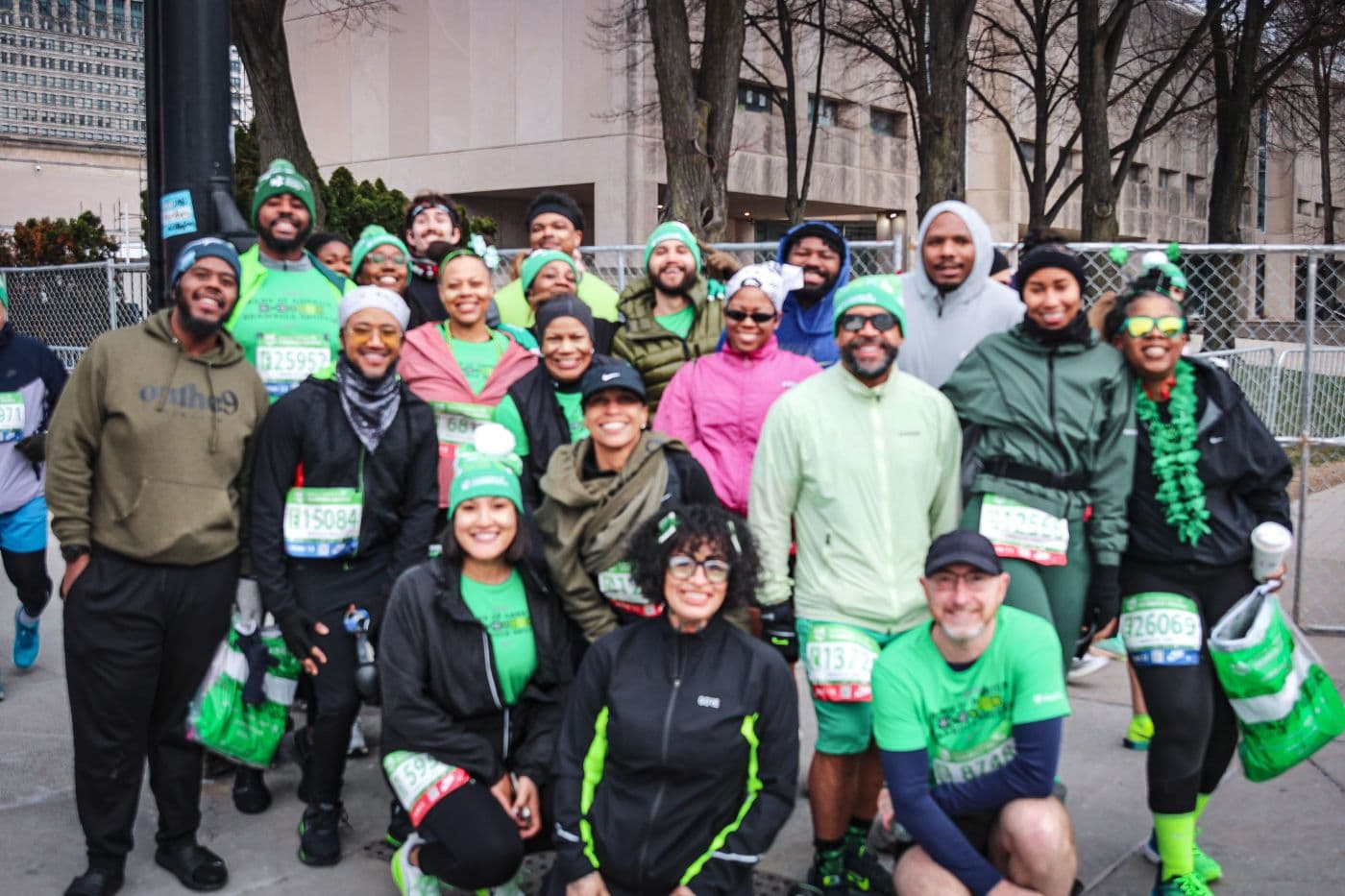
OnThe9 runs every Saturday on the South Side, and plenty of the crew are training for a race at any given time. Ask around about yours, and see our race calendar guide to pick a race.
Common questions
How long does it take to train for a half marathon?
Most beginner plans run 10 to 16 weeks. If you can already run about 3 miles comfortably, 12 weeks is a common starting point.
How long should my longest training run be for a half marathon?
Many first-time plans build the long run to 10 to 12 miles a couple of weeks before race day. You don't need to run the full 13.1 in training.
Can I walk during a half marathon?
Yes. Plenty of runners use planned walk breaks, and many finish faster that way. Practice your run-walk pattern in training so it feels normal on race day.